What is bean-to-bar?
Making chocolate from scratch
When chocolate makers control the entire bean-to-bar process, the results speak for themselves. By selecting high-quality beans and making deliberate decisions at every stage, they can preserve and amplify the unique flavour characteristics that a particular cacao variety has to offer. Rather than inheriting the choices of big industrial chocolate makers, bean-to-bar makers can fine-tune each variable to suit specific beans, resulting in chocolate with far greater complexity, depth, and authenticity than anything produced at industrial scale.
The term 'chocolatier' is distinct from 'chocolate maker' in that the craft of 'chocolatiering' is to work with pre-made chocolate – usually (but not always) made by someone else. This is not to say chocolatiering is a lesser craft – it's just to say that making things with chocolate is a fundamentally different discipline than making chocolate itself.
Some of the world's finest confections are made by chocolatiers working with pre-made chocolate, and the skills involved in creating them are considerable. But A Bar Apart is all about the art of making chocolate from cacao beans. This is a long and complex process involving the following intricate steps:
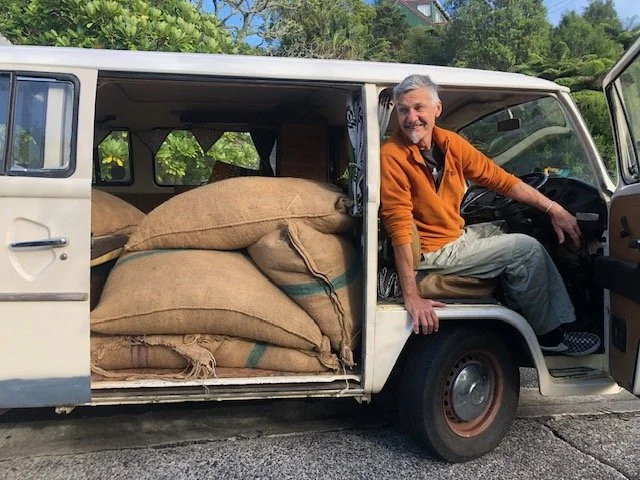
“Doing things on a small scale, we’re able to apply a lot more attention to detail than large industrial makers. It gives you more opportunity to allow the cacao to sing in its natural voice.”
Johnty Tatham, Lucid Chocolatier
Growing cacao
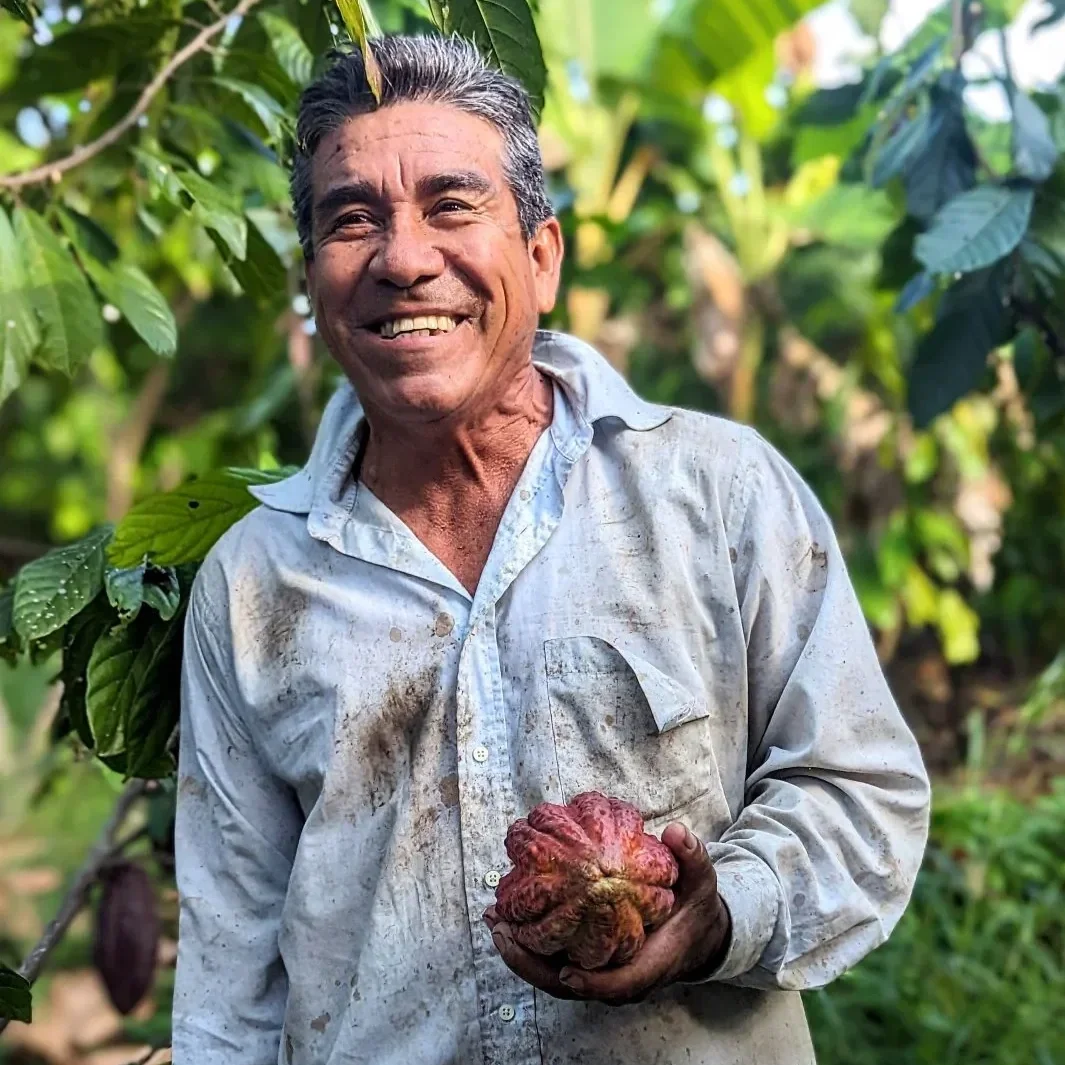
Cacao is grown in tropical regions close to the equator, where the hot, humid climate provides the conditions the trees need to thrive. The fruit (pod) of the cacao tree contains the beans that will eventually become chocolate. This stage takes place at the farm farm and is rarely overseen directly by chocolate makers, though some do build close relationships with growers and may offer guidance on farming practices that can influence the quality of the final bean.
Fermenting and drying
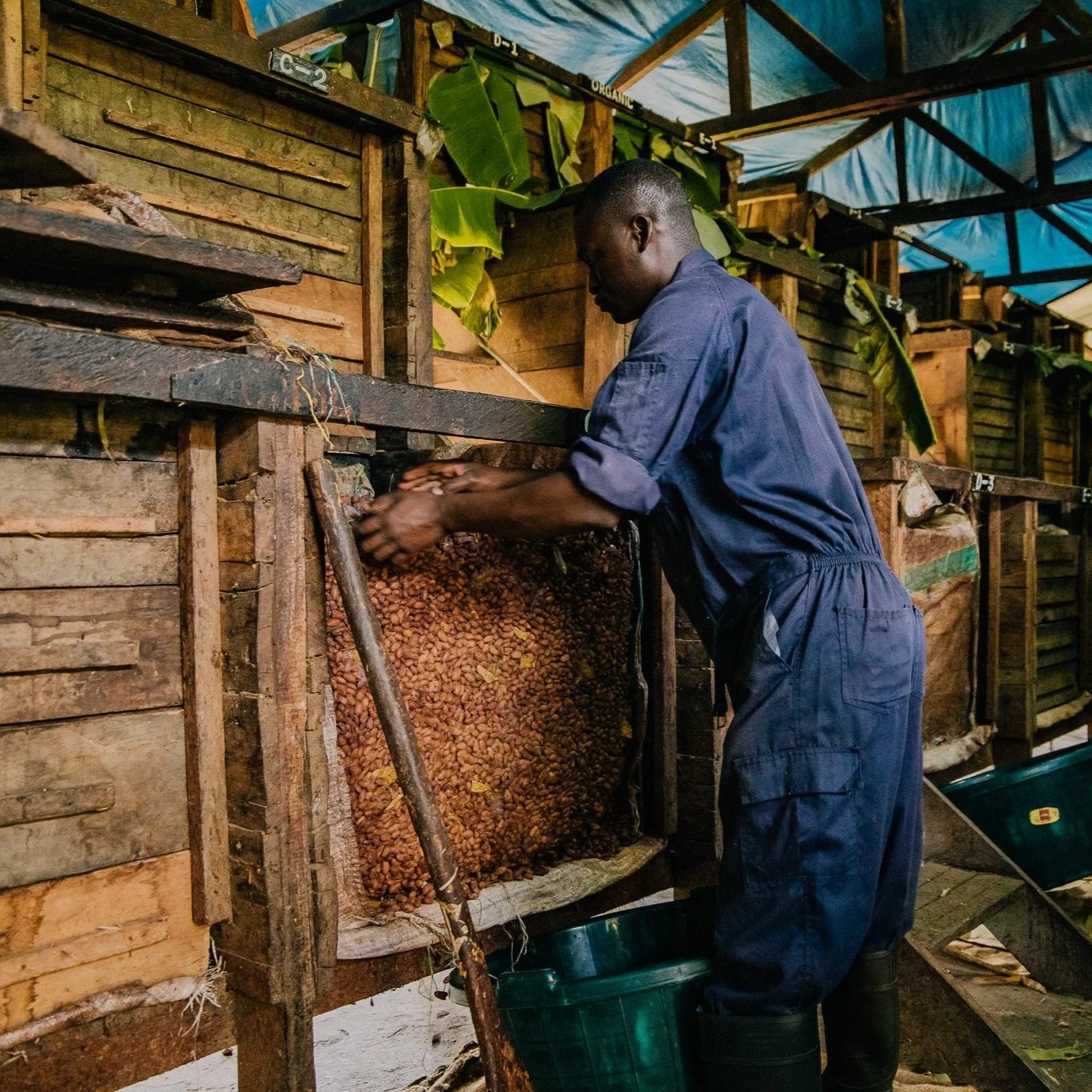
Once harvested, beans are removed from the pod and laid out to ferment. This is arguably the most important stage of flavour development in the entire process. Over several days, natural yeasts and bacteria break down the sugars surrounding the bean, triggering chemical changes that create flavours essential to great chocolate. The beans are then dried to a moisture level that makes them stable for transport. Both these stages typically take place at the farm or at centralised fermentation centres, and the care taken here has a profound impact on everything the chocolate maker does further down the line.
Roasting cacao beans
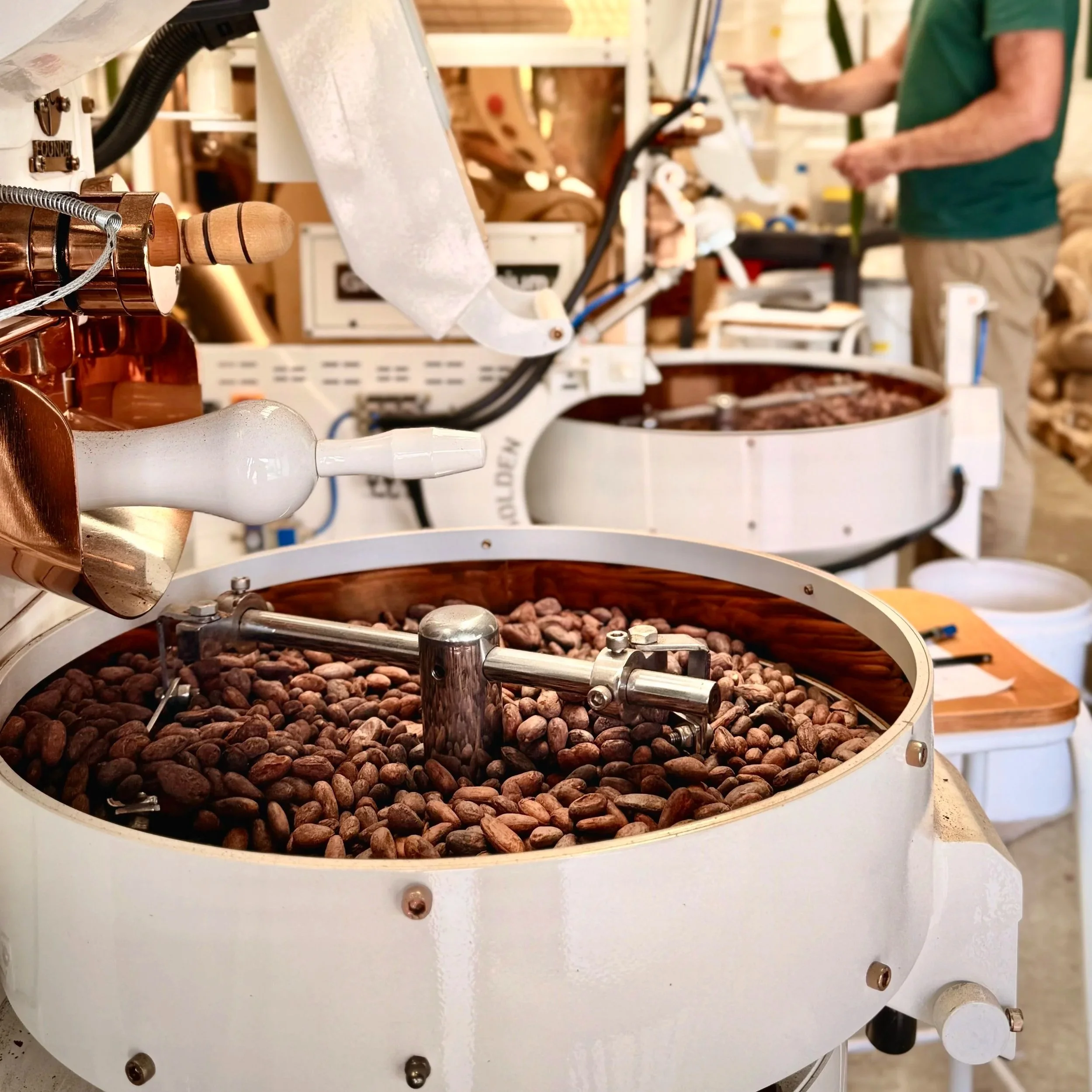
Once the fermented and dried beans arrive at the chocolate maker's premises, roasting is the next major stage of the process. This is where the bean-to-bar maker's craft really begins to show. While complex flavour development begins during fermentation, roasting builds on this further. Carefully controlled heat unlocks the full spectrum of aromatic potential within the beans. Specialty cacao can express hundreds of distinct flavour notes – from tropical fruit and red berries to nuts, florals, spices, and infinitely more. The roaster's job is to find the profile that best reveals what each individual batch has to offer. Too little heat and those flavours remain underdeveloped; too much and their delicate nuance can be lost.
Cracking and winnowing
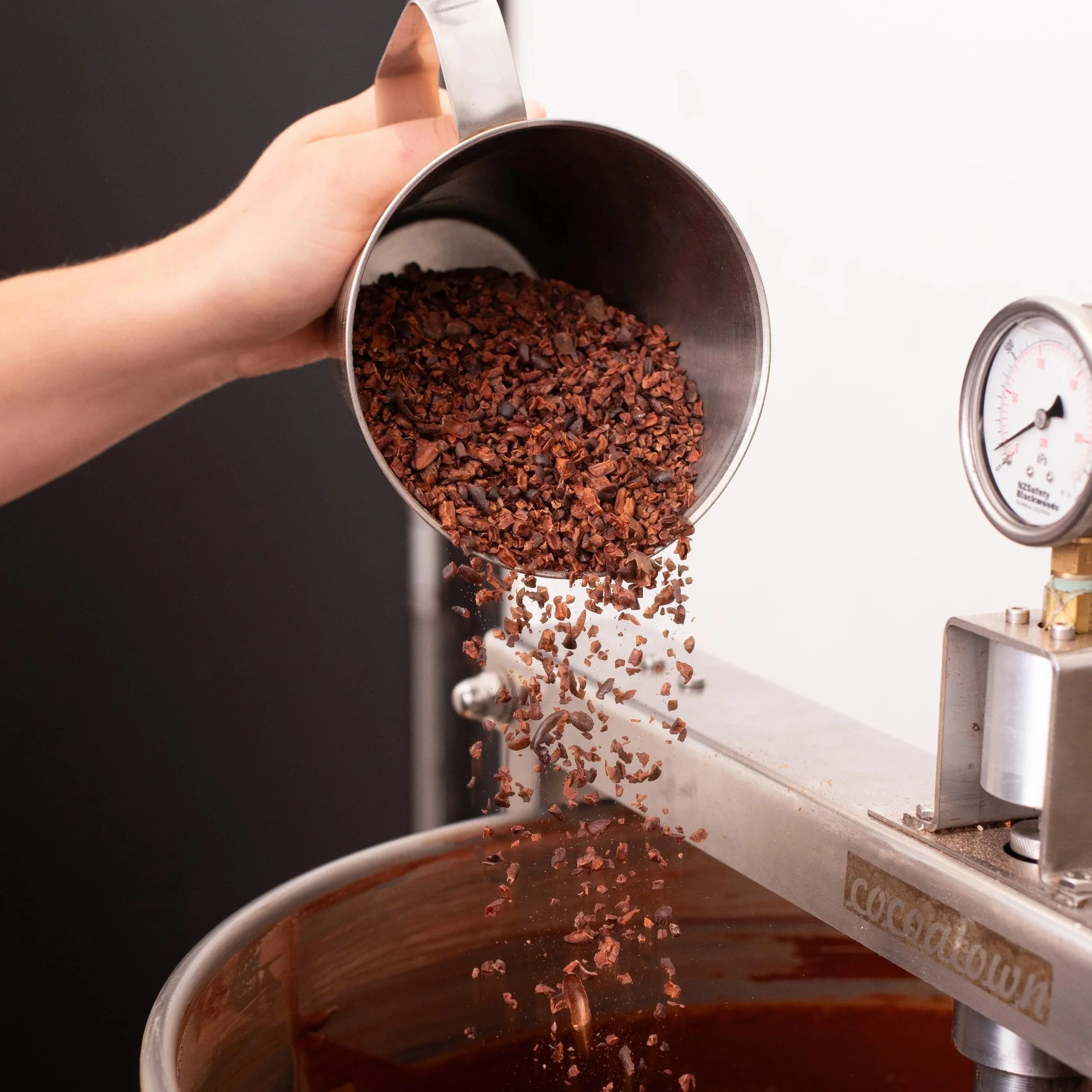
After roasting, the beans are cracked open and the outer husk separated from the inner nib – a process known as ‘winnowing’. Bits of husk can create a rough texture, so it is important to remove it as thoroughly as possible to create a clean, smooth, high quality chocolate. Winnowing is typically done with a machine that cracks the beans, then uses a fan or air current to blow away the lighter husk fragments, while the heavier nibs fall through. These nibs are what carry all of the complex flavour potential stemming from the earlier fermentation and roasting processes.
Grinding into ‘liquor’
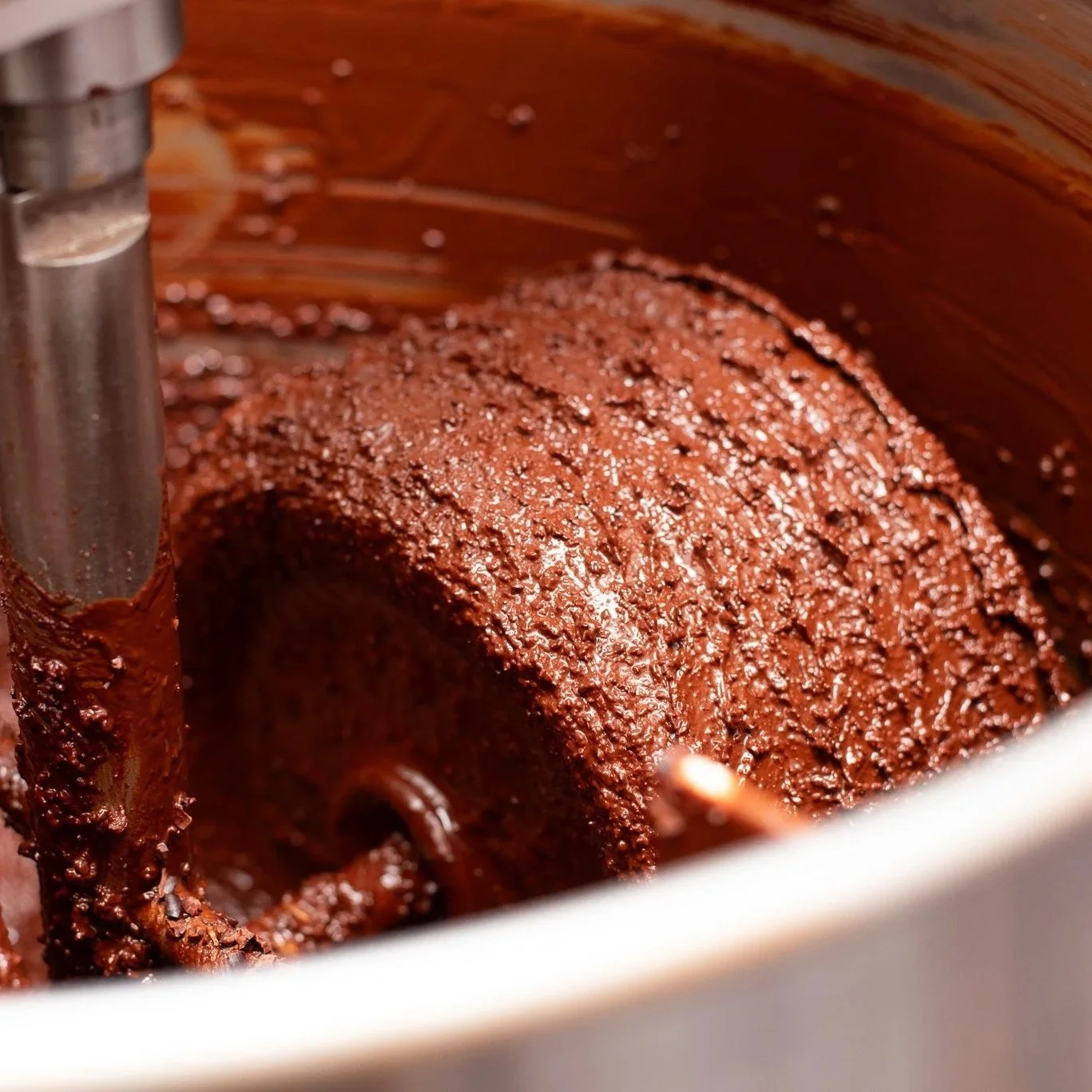
With the husks removed, the cacao nibs are ready to be ground – a process that transforms them into a smooth, liquid paste known as ‘cacao liquor’ or ‘cacao mass’. Despite the name, cacao liquor contains no alcohol; the term simply refers to the thick, malleable mass resulting from grinding the nib until its natural cocoa butter melts from the friction and heat. For bean-to-bar makers working with specialty cacao, this stage is where the true character of the bean begins to reveal itself.
Refining and conching
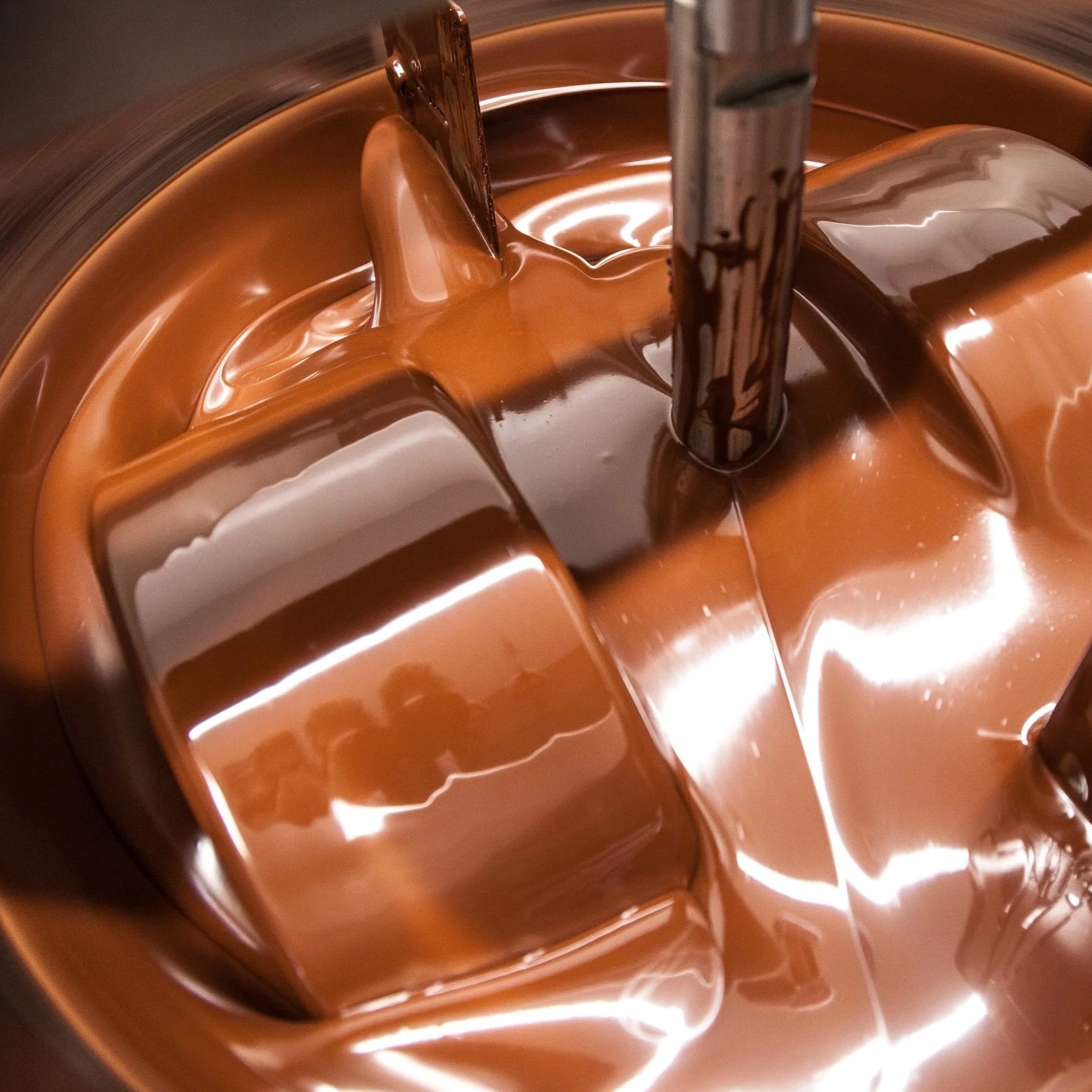
Once the cacao liquor has been produced, ‘refining’ and ‘conching’ are the stages that transform it into the silky, complex chocolate we recognise in a finished bar. Refining reduces the particle size of the mass to a level below what the human tongue can detect, eliminating any chalkiness or grittiness in the final texture.
Conching is a prolonged process of heating, aerating, and agitating the chocolate, which further develops the flavour and removes unwanted acidity. The duration of conching is an impactful choice; under-conching can make the chocolate taste raw or astringent, but over-conching can strip away the very flavour notes that make a specialty origin so distinctive. For bean-to-bar makers, finding that balance is a matter of precision, skill and judgement.
Tempering
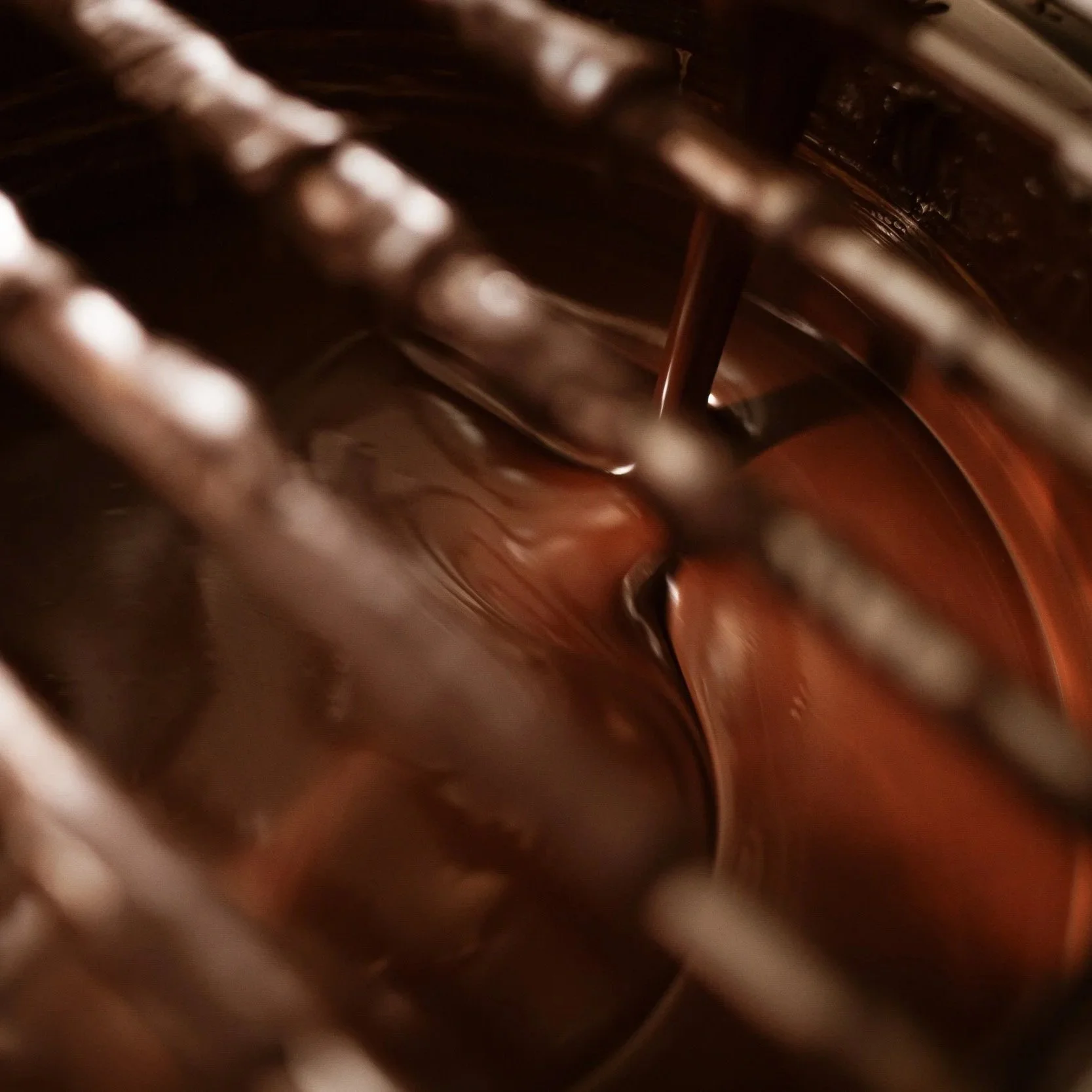
Tempering is the process of carefully heating and cooling the chocolate to stabilise the cocoa butter crystals within it. Cocoa butter can form several different crystal structures, but only one – known as the Form V crystal – gives chocolate its characteristic snap and glossy finish. By guiding the chocolate through a precise sequence of temperatures, the maker encourages the formation of these stable crystals while discouraging the unstable ones. Chocolate that has not been properly tempered will often appear dull or streaky, and lack that satisfying snap when broken.
Moulding and wrapping
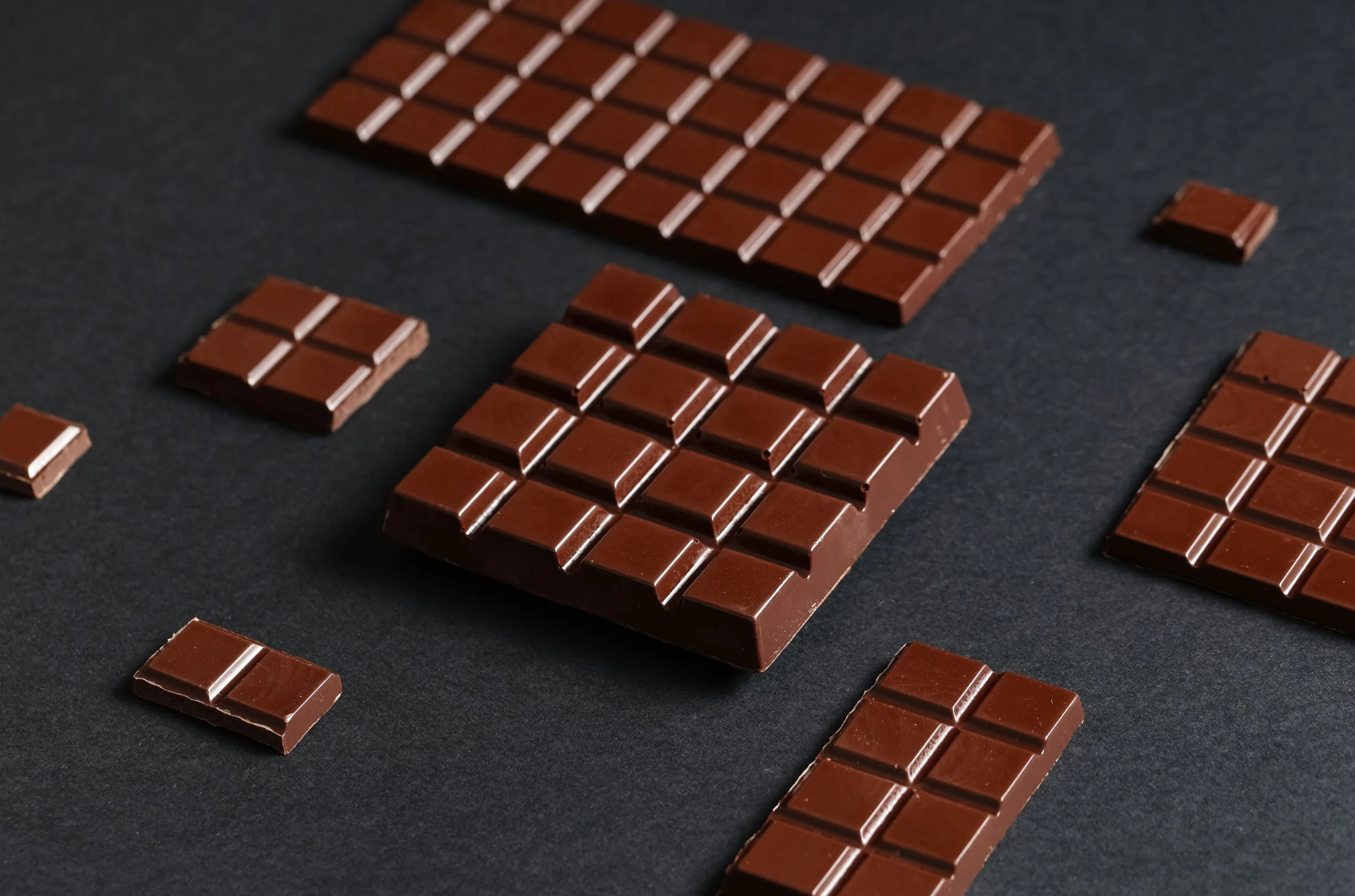
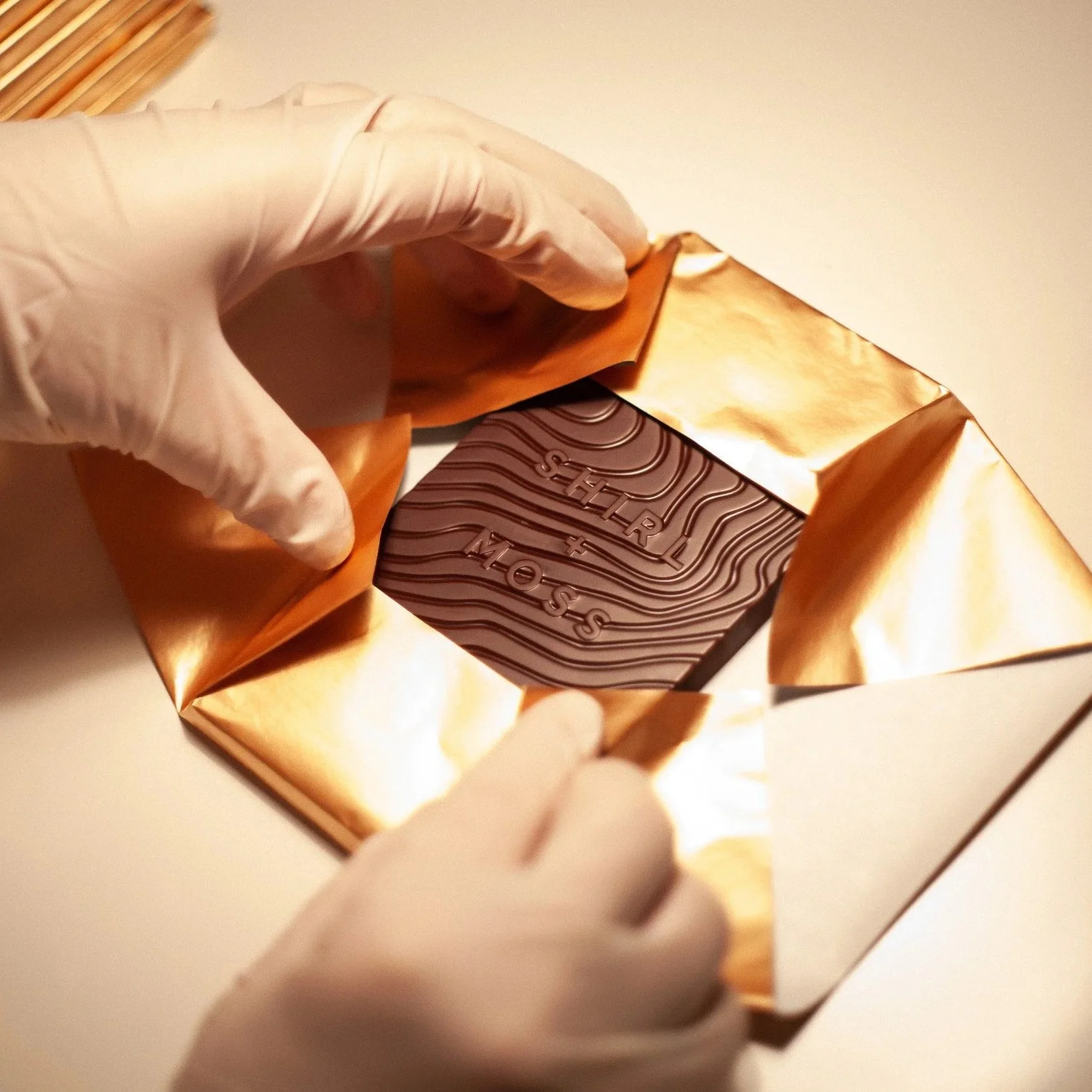
Moulding and wrapping are the final stages of the bean-to-bar journey, where the tempered chocolate is poured into moulds and left to set in its final form. As the chocolate cools and contracts, it releases cleanly from the mould, revealing the gloss and beauty of the chocolate. Once set, the bars are carefully inspected before being wrapped. Many of A Bar Apart’s makers still wrap each bar by hand – a final act of care that’s entirely in keeping with the attention given to every stage that came before.
This is what we celebrate
The makers who dedicate themselves to this craft do so because they believe that chocolate can be extraordinary – and because they care deeply about the cacao, the farmers, and the finished bar. A Bar Apart exists to celebrate those who commit to every step of it, and to help you find them, get to know them, and enjoy every last bite.